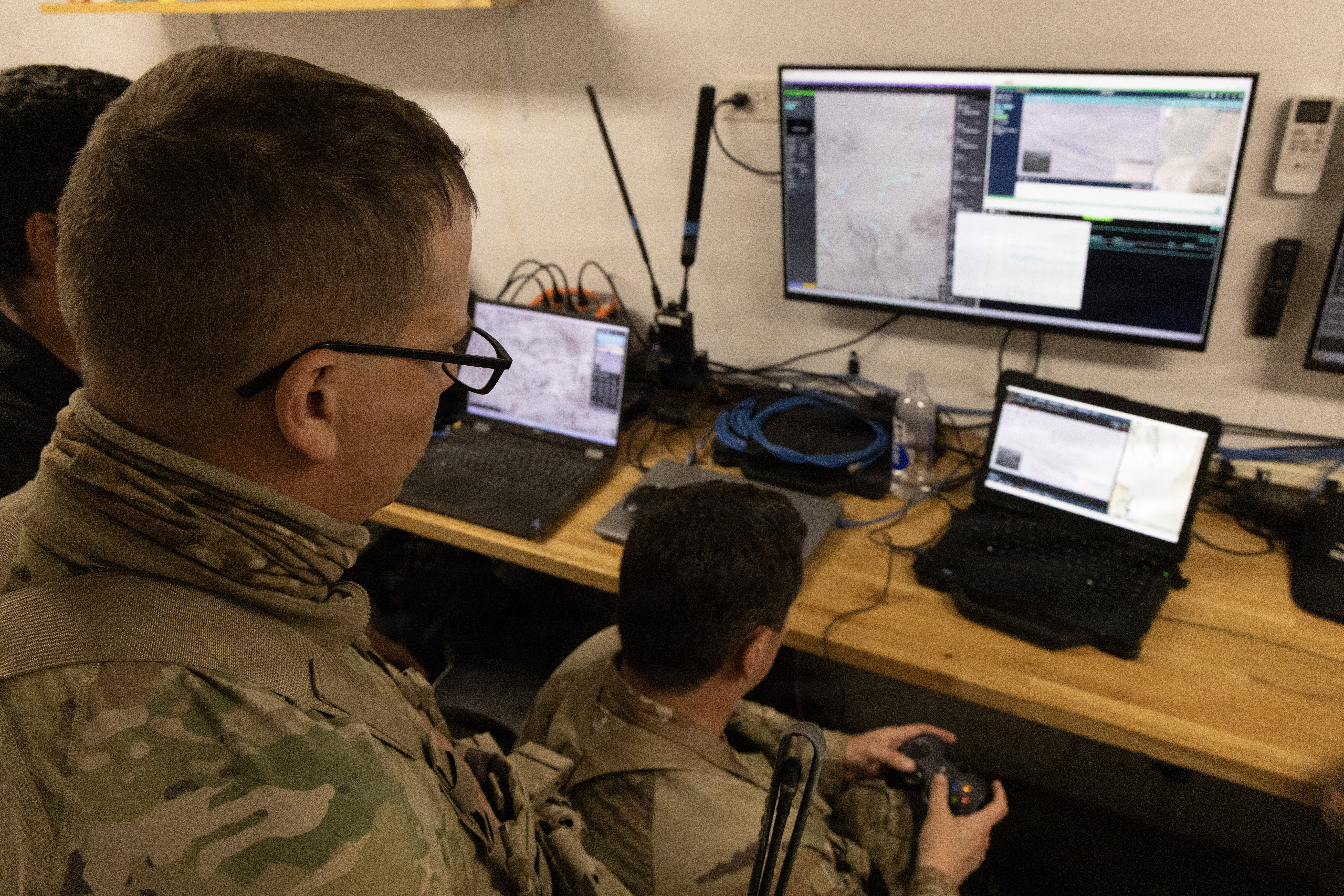
The Army has ‘owned the night’; now it must own the electromagnetic spectrum
Spectrum awareness, resilient connectivity and electronic warfare defenses are becoming central to decision advantage on the modern battlefield.

Spectrum awareness, resilient connectivity and electronic warfare defenses are becoming central to decision advantage on the modern battlefield.
Army wants to field commercial EW systems to forces fast.


Lithium-metal batteries are one way to break the weight and endurance limits of today’s unmanned systems.
Breaking Defense embedded with the Army's red team during the Ivy Mass exercise. The key takeaways will drive tactics and procurement going forward.
The Army's FY27 budget request allows faster fielding and continued experimentation on key electronic warfare and signals intelligence capabilities.
The commercial solutions offering aims to produce a "library" that will provide options for units to determine what capabilities meet their structure and mission.
“Unlocking the potential for spectrum operations at machine speed will be key to winning the EMS fight,” Col. Scott Shaffer said.

Army vehicles like Bradley need greater power at the sprocket for speed, braking, and manueverability.

Space & Missile Defense Command has been pushing to make space a formal "military occupation specialty" for enlisted personnel wishing to specialize, and has submitted a proposal to that effort to Army personnel leaders to that effect.
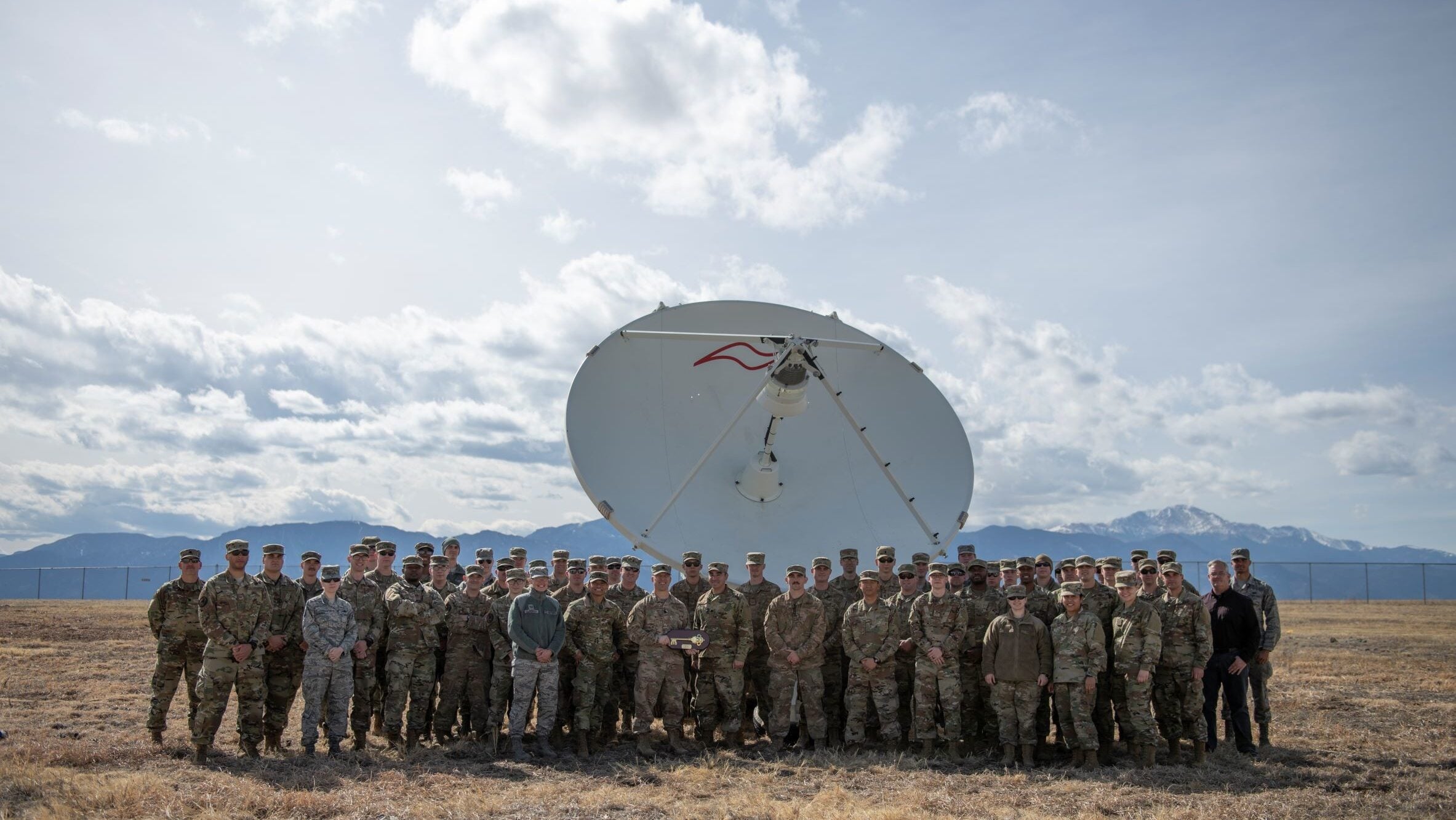
The Space Force's Delta 3 is responsible for organizing, training and equipping Guardians for electronic warfare missions involving satellite communications, as well as sustaining related offensive and defensive EW systems.

Among the exercise scenarios, Red Skies will look at how Space Force operators will handle threatening close approaches by adversary satellites.

“I'm not gonna do anything capriciously or just with a sledgehammer here,” DoD CIO John Sherman said, as he seeks to "make sure the government is getting the best value for our dollar and the very best mission outcome."


Decentralized Embodied Collaborative intelligence enables better reconnaissance, logistics and combat capabilities.
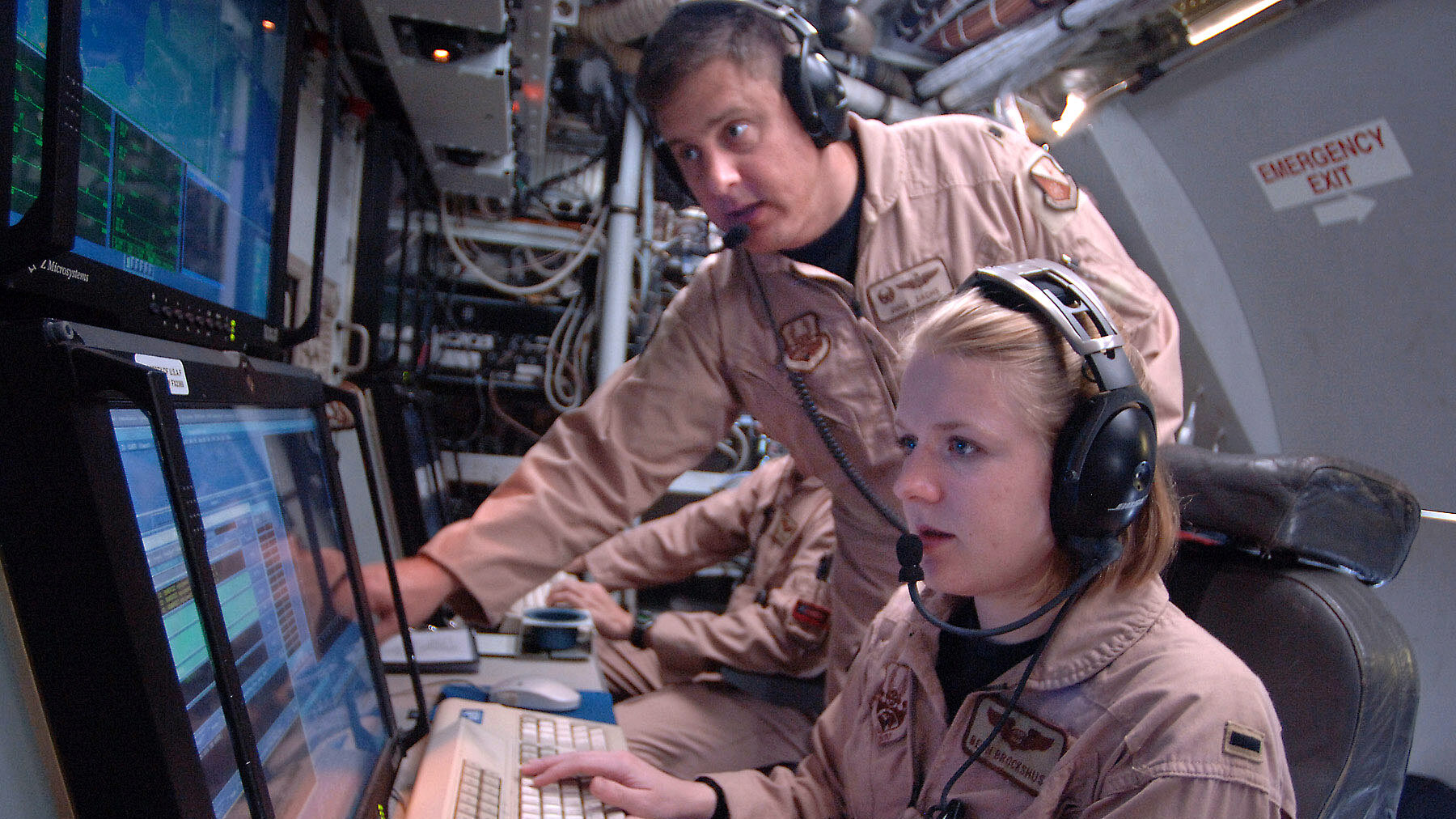
"[The electromagnetic spectrum is] like the oxygen that surrounds us right now. You don't have a choice. You are in it," the Air Force's director of EMS superiority said.

The new office is slated for October, Pentagon CIO John Sherman said, while also giving updates on the Spectrum Strategy implementation plan and the cyber workforce strategy.

"Today's EMS Superiority Strategy combined our electromagnetic warfare and spectrum equities for the first time ever,” said Vice Chairman John Hyten. "The Strategy's I-Plan sets us on a path to dominate the future battle space. We are determined to get there and achieve spectrum superiority in all domains."

The markup comes at a pivotal moment for the US as it intensifies competition -- while seeking to avoid conflict -- with China, in particular, which senior department officials refer to as the US's "pacing threat."